How “The Wanderer” Became a Cultural Classic Across Generations
When Dion released “The Wanderer” in 1961, it was more than just a follow-up to his hit “Runaround Sue.” It was the birth of a new kind of musical archetype. With its swaggering rhythm, rebellious attitude, and infectious handclaps, the song didn’t just climb the charts—it walked right into the DNA of pop culture.
Decades later, “The Wanderer” remains as relevant as ever. From the jukeboxes of the 60s to the post-apocalyptic landscapes of modern video games, here is how this Dion DiMucci classic became an immortal cultural icon.
1. The Birth of the “Cool” Anti-Hero
Before “The Wanderer,” many male pop stars were portrayed as heartbroken or pining for love. Dion flipped the script. He introduced a protagonist who was fiercely independent, unattached, and unrepentant.
-
The Persona: With “two fists of iron” and a “roam from town to town” lifestyle, the character embodied the restless spirit of mid-century youth.
-
The Sound: The driving saxophone solo and the bluesy, walking bassline created a sense of forward motion that perfectly matched the lyrics.
2. A Cinematic Favorite: From The Wanderers to Fallout
One of the key reasons “The Wanderer” has stayed in the public eye is its incredible versatility in media. It has a unique ability to feel both nostalgic and edgy at the same time.
-
The 1979 Film: The song served as the spiritual heart of the cult classic film The Wanderers, cementing its association with 1960s street-gang subculture and brotherhood.
-
The Gaming Revolution: In 2015, “The Wanderer” reached an entirely new generation when it was featured in the live-action trailer for Fallout 4. The juxtaposition of Dion’s upbeat swagger against a nuclear wasteland created a “retro-futuristic” vibe that defined the game’s identity for millions of younger fans.
3. The “Crossover” Appeal: Rock, Blues, and Doo-Wop
“The Wanderer” is difficult to pin down to a single genre, which is why it hasn’t aged poorly. It sits at the perfect intersection of:
-
Doo-Wop: The background “yeah, yeah” harmonies.
-
Rock and Roll: The aggressive, rhythmic drive.
-
Blues: The storytelling structure of a man drifting through life.
This mix allowed the song to be covered by everyone from The Beach Boys and Status Quo to Bruce Springsteen, proving that its appeal crosses all musical boundaries.
4. Why It Resonates Today: The Spirit of Freedom
In an age of constant connectivity, the idea of the “Wanderer”—someone who is untethered and lives life on their own terms—remains a powerful fantasy. It speaks to the universal human desire for freedom and the thrill of the open road.
Whether you’re a boomer remembering the local diner or a Gen Z player roaming the Fallout Commonwealth, the song’s message of self-reliance and movement is timeless.
Key Facts at a Glance
| Feature | Details |
| Release Year | 1961 |
| Artist | Dion (Dion DiMucci) |
| Chart Peak | #2 on the Billboard Hot 100 |
| Recognition | Rolling Stone’s “500 Greatest Songs of All Time” |
| Modern Impact | Featured in Fallout 4, The Sopranos, and numerous commercials |
Final Thoughts
“The Wanderer” is a rare example of a song that has managed to outlive its original era without becoming a “museum piece.” It is alive, kicking, and still walking with that same 1961 swagger. As long as there is a sense of adventure in the human spirit, there will be a place for Dion’s greatest hit.
Video
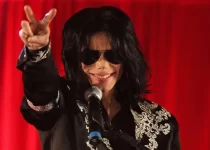
Michael Jackson-Hold My Hand

The Intimacy of Simplicity: Why “Put Your Head on My Shoulder” Still Melts Hearts
“Baby I’m-a Want You” – Bread’s Tender Ballad That Defined Soft Rock
About Author
